
When winter arrives in Central Oregon, commercial roof performance becomes even more important to protect your property. Membrane seam vulnerabilities, if left unchecked, often lead to serious leak risks. This blog provides clear guidance on how to spot trouble with your commercial membrane roof seams and shares practical strategies to reduce winter leak risks.
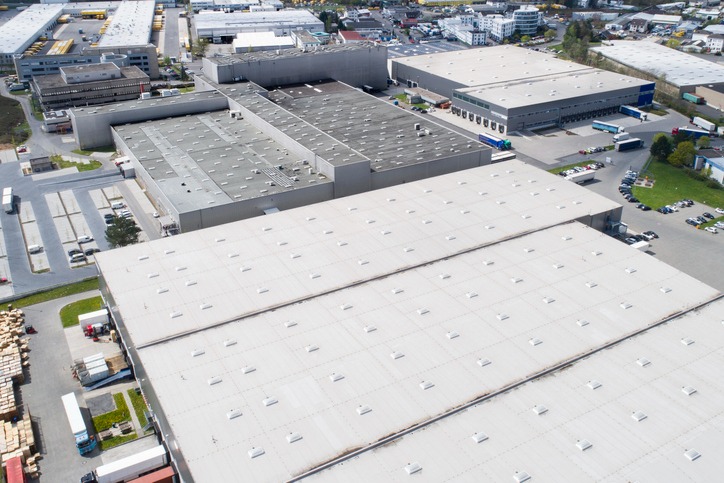
Understanding Commercial Membrane Seams and Their Importance
Membrane roofing, such as TPO, PVC, or EPDM, rely on seams that join sheets together to form a waterproof barrier. These seams are typically heat-welded or chemically bonded during installation. If a seam fails, water infiltration can happen quickly, especially with the freeze-thaw cycles and snow buildup common in Central Oregon’s winters. Regular attention to membrane seams is vital for any business owner interested in protecting their property’s roof investment.
Inspection Clues: Early Warning Signs of Seam Issues
You can prevent leaks and expensive damage by understanding the early signs of membrane seam failure. Here are some practical clues to look for when inspecting your commercial roof:
-
Visible gaps or separation along seams
-
Raised edges or “blistering” at the seam location
-
Discoloration or staining, often indicating water intrusion
-
Accumulation of debris or standing water near seams
-
Loss of adhesive or weld along the seam
Central Oregon’s cold temperatures and high altitude UV exposure can accelerate membrane aging, so regular visual inspection—especially after storms, heavy snow, or rapid thaws—should be a routine maintenance step for your building.
How Central Oregon Winters Increase Leak Risk
Redmond and surrounding areas experience a unique set of winter roofing challenges. Snow loads and ice dams often collect on flat or low-slope commercial roofs. As snow melts and refreezes, water can find its way into vulnerable seams, exploiting even minor imperfections. Plus, rapid changes from freeze to thaw can shift seams and exacerbate weaknesses over time.
If you’ve noticed pooled water on your roof or interior ceiling stains during the winter, it’s time to take action before minor seam issues become major repairs.
Proactive Seam Maintenance and Repair Options
To reduce winter leak risk, consider the following approaches, all common in Central Oregon commercial roof maintenance:
-
Schedule regular inspections before and after the winter season.
-
Clear snow and debris promptly to prevent ice damming near seams.
-
Use professional-grade seam primers or patch materials designed for your membrane type.
-
If repeated leaks or separation occur, ask about professional seam welding or full seam replacement.
Partnering with a commercial roofing repair specialist who understands Redmond’s climate can make all the difference. Ensure your provider assesses every seam using both visual and moisture-detection tools.
What to Ask Before Hiring Professional Roofing Services
Before selecting a provider for membrane seam repairs or maintenance, it helps to be prepared with the right questions:
-
Are you familiar with the specific membrane type and manufacturer’s maintenance recommendations?
-
Do you use infrared or electronic leak detection to assess seam integrity?
-
Can you provide local references for similar commercial projects completed in Redmond or Central Oregon?
-
What does your warranty cover in terms of seam repairs, especially for roof replacement solutions?
A reputable contractor should offer clear answers, transparent pricing, and a maintenance plan customized to local winter conditions.
Contact Family Tree Construction LLC for Membrane Seam Services in Redmond, OR
If you suspect your roof’s membrane seams are at risk, contact Family Tree Construction LLC, your local commercial roofing and exterior professionals in Redmond, OR. Our team is experienced with roof leak detection and comprehensive membrane seam repairs designed for Central Oregon winters. Call (541) 699-9725 or fill out our online form to schedule your inspection and take proactive steps to protect your property before winter creates costly problems.






Leave a Reply